If you have ever asked yourself, “what is a crane barge?”, you are probably trying to understand how heavy construction work gets done on the water. The short answer is simple. A crane barge is a floating platform equipped with a crane that helps crews lift, move, install, or remove heavy materials in marine environments.
But there is a lot more to it than that.
A marine crane barge is one of the most important tools used in waterfront construction today. From bridge work and dock installation to shoreline protection and utility projects, these floating platforms allow crews to safely perform jobs that regular land equipment cannot handle.
In places like New Waterford, OH, and throughout the country, marine construction continues to grow as infrastructure ages and waterfront projects expand. That means crane barges are becoming more important than ever.
What Is a Crane Barge?
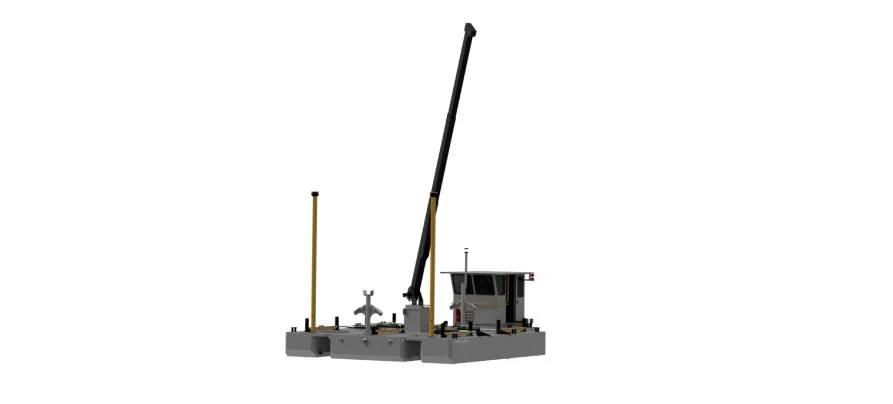
A crane barge is exactly what it sounds like. It is a barge or floating platform with a crane mounted on top.
Instead of operating from solid ground, the crane works directly from the water. This allows construction crews to perform heavy lifting in lakes, rivers, canals, ports, and shoreline areas where traditional cranes would struggle to reach.
The crane itself can vary depending on the project. Some barges use smaller hydraulic cranes for precision work, while others use large cranes capable of lifting massive materials and equipment.
A marine crane barge may also include additional tools or attachments depending on the type of work being performed.
These platforms are commonly used for:
- Dock and pier construction
- Bridge repair
- Pile driving
- Shoreline stabilization
- Dredging projects
- Utility work
- Material transportation
- Marine debris removal
Without crane barges, many marine construction projects would become far more expensive, time-consuming, or difficult to complete.
How Does a Marine Crane Barge Work?
A crane barge operates by combining buoyancy with lifting capacity.
The barge itself acts as a stable floating platform while the crane performs the heavy lifting. Depending on the project, the barge may be anchored in place or stabilized with spud poles to keep the platform steady during operations.
Some crane barges are pushed into position by tugboats, while others have their own propulsion systems, allowing them to move independently.
Once positioned, the crane can lift and move:
- Steel beams
- Pilings
- Construction materials
- Equipment
- Rocks and barriers
- Debris
- Concrete structures
Modern marine platforms are often designed with flexibility in mind. Many companies now use modular systems that allow operators to switch attachments based on the project requirements.
This helps contractors complete multiple tasks on a single platform instead of transporting several different machines.
What Is a Crane Barge Used For?
One of the reasons people search for what a crane barge is is that these platforms are used in so many different industries and projects.
Most people never realize how much construction happens directly on or near the water until they see one in action.
Here are some of the most common uses for a marine crane barge.
Bridge Construction and Repairs
Bridge work often requires crews to operate directly above rivers, lakes, or waterways. Crane barges make it possible to transport heavy materials and support structural repairs without relying entirely on land-based equipment.
These platforms can also help crews access difficult areas underneath bridges where traditional cranes cannot reach.
Dock and Pier Installation
Building docks and piers requires heavy lifting in unstable environments. Crane barges allow contractors to install pilings, decking, and support systems while remaining stable on the water.
This is one of the most common uses for marine crane equipment.
Shoreline Protection and Erosion Control
Waterfront erosion can cause major damage over time. Crane barges help crews place rocks, barriers, and retaining systems that protect shorelines from ongoing erosion.
This work is especially important around lakes, rivers, and coastal properties.
Dredging Operations
Dredging involves removing sediment, debris, or material from waterways. Crane barges are often used to support dredging equipment or remove materials directly from the water.
Keeping waterways clear helps improve navigation, safety, and water flow.
Utility and Infrastructure Projects
Many utility companies use crane barges for projects involving pipelines, electrical systems, bridges, or underwater infrastructure.
Because these projects often happen in difficult-to-access areas, floating construction platforms become the safest and most efficient option.
What Is the Difference Between a Crane Barge and a Work Barge?
People often confuse crane barges with standard work barges, but there is a difference.
A work barge is usually a floating platform used to support crews, equipment, or material storage. It may not have any lifting capability at all.
A marine crane barge, on the other hand, includes a mounted crane specifically designed for lifting and construction operations.
That said, many modern marine platforms now combine both functions into one system. Contractors often prefer multi-purpose platforms because they reduce transportation costs and improve efficiency on the job site.
Can Crane Barges Work in Shallow Water?
Yes, many crane barges are designed specifically for shallow water operations.
This is important because many marine projects occur in locations where deeper vessels cannot operate safely.
Shallow water crane barges are commonly used for:
- Inland waterways
- Residential waterfront projects
- Pond and canal work
- Utility easements
- Shoreline repairs
- Environmental restoration
This flexibility gives contractors more options when planning marine construction projects.
Why Crane Barges Are So Important
Marine construction comes with challenges that land-based projects simply do not face.
Crews often deal with unstable ground, limited access, changing water conditions, and difficult transportation logistics. Crane barges help solve many of those problems.
Some of the biggest benefits include:
Better Access
Crane barges can reach areas that traditional equipment cannot safely access.
Heavy Lifting Capability
These platforms allow contractors to move large materials directly over water.
Increased Efficiency
Instead of transporting multiple machines, contractors can often complete several tasks from one platform.
Reduced Environmental Impact
Using floating equipment may reduce shoreline damage compared to large land-based machines.
Versatility
Modern marine construction platforms can adapt to a wide range of projects.
The Future of Marine Construction
As infrastructure ages across the United States, demand for marine construction equipment will continue to grow.
Companies involved in marine manufacturing are focusing heavily on developing more adaptable, transportable, and efficient equipment systems capable of handling a wide range of projects.
For contractors and project managers, investing in flexible marine equipment solutions can make a major difference in safety, productivity, and long-term operational success.
Final Thoughts
If you were wondering what a crane barge is, the answer goes far beyond a simple floating crane.
A marine crane barge is a critical piece of equipment that helps make modern marine construction possible. Whether supporting bridge repairs, dock construction, shoreline stabilization, or utility work, these platforms allow crews to work safely and efficiently in environments where traditional equipment falls short.
As waterfront development and infrastructure projects continue to expand, crane barges will remain one of the most valuable tools in the marine construction industry.